
Polishing can be useful, but there is a point where it stops improving the object and begins flattening it. That risk is easy to miss because a freshly bright surface can look impressive at first glance.
The question is whether the silver still has depth after the shine is restored. That is where restraint matters.
Short answer: Polishing goes too far when it chases a perfect shine at the expense of texture, depth, and the object’s natural character. Solid silver should stay readable, not be erased by maintenance.
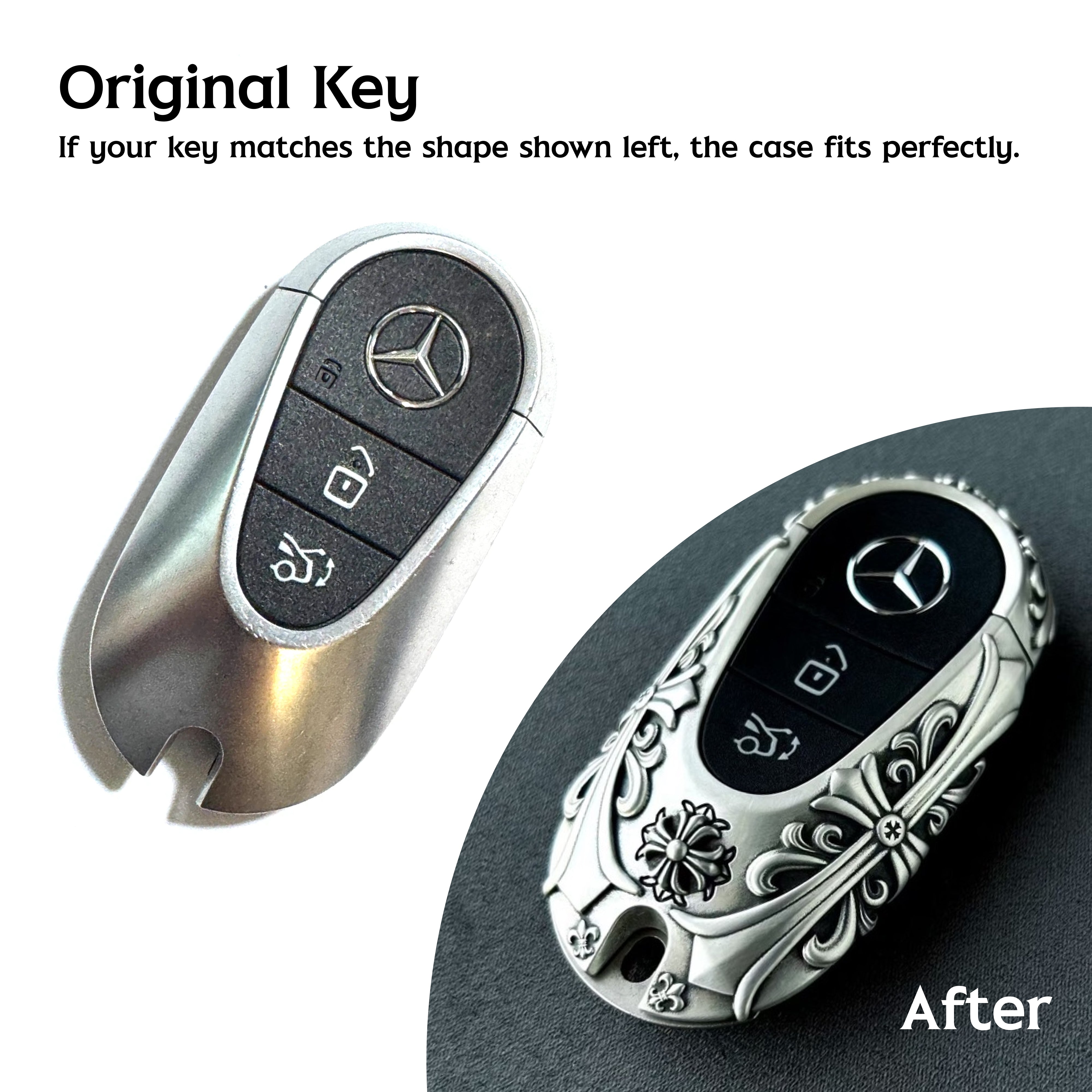
Too Much Shine Can Blur The Details
A solid silver key case is interesting because of its material and its structure. When polishing is pushed too aggressively, the fine texture can become less readable and the object starts to lose the quiet complexity that made it appealing.
The result may still look clean, but it can feel flatter.
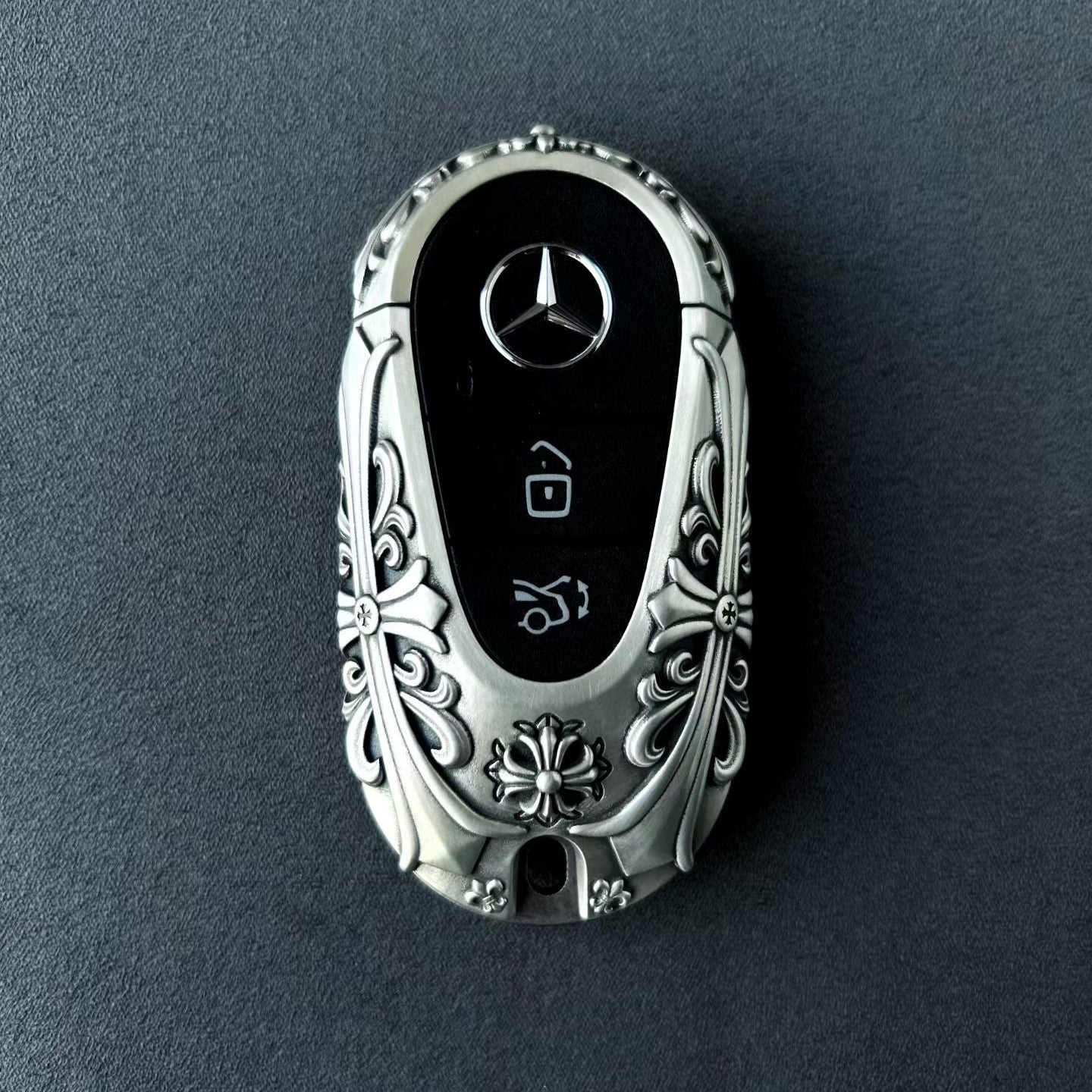
The Goal Is Not Mirror Brightness
Luxury is not always about maximum reflectivity. Often, the better result is a surface with depth, softness, and enough clarity to show the metal honestly without turning it into a showpiece.
The best finish can look refined even when it is not aggressively shiny.

Know When To Stop
If the object starts looking more blank than refined, it may already have been polished too far. That is especially true on areas where the original texture gives the case its identity.
Good care protects the surface. Bad care chases novelty.

A Simple Rule Of Thumb
- Stop before the surface becomes blank or over-reflective.
- Preserve the lines that define the object.
- Use the lightest effective care method.
- Let a little depth remain visible.
- Remember that a silver case should age, not be reset endlessly.
Polishing is most successful when it respects the object’s memory instead of trying to erase it.
Related Silver Care Reads
FAQ
Can polishing damage a silver case?
Yes, if it is done too often or too aggressively. The surface can lose detail and depth.
What is the safer approach?
Use the lightest effective method and stop before the finish loses its character.
Should silver always look mirror bright?
No. A refined silver finish can be calm, soft, and still beautifully detailed.
