
The first 90 days are where a silver key case stops being an idea and becomes part of a routine. It begins to collect small traces of use: the way it is picked up, turned over, set down, and carried.
This article looks at what changes first, what does not change, and why those small shifts are often the beginning of a better object rather than a damaged one.
Short answer: The first 90 days matter because a silver key case moves from new object to lived-in object. The edges soften visually, the finish begins to show how it is handled, and the owner learns whether the case truly fits daily life.
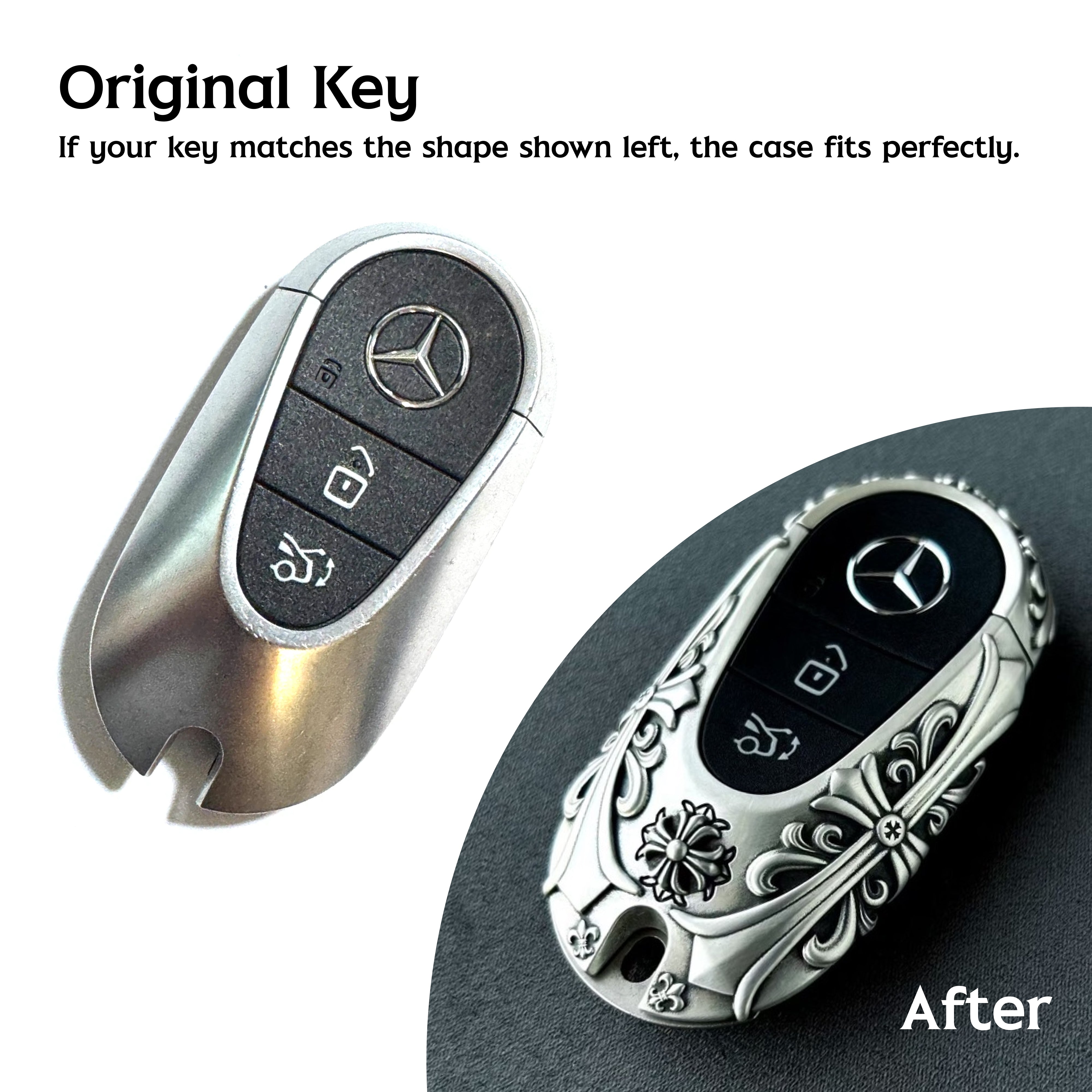
The Early Shift Is Mostly About Touch
In the beginning, the owner notices touch more than appearance. The case feels different after repeated handling because the hand learns its edge line, its weight, and the way it sits against other carried items.
That adjustment is part of the object becoming familiar.
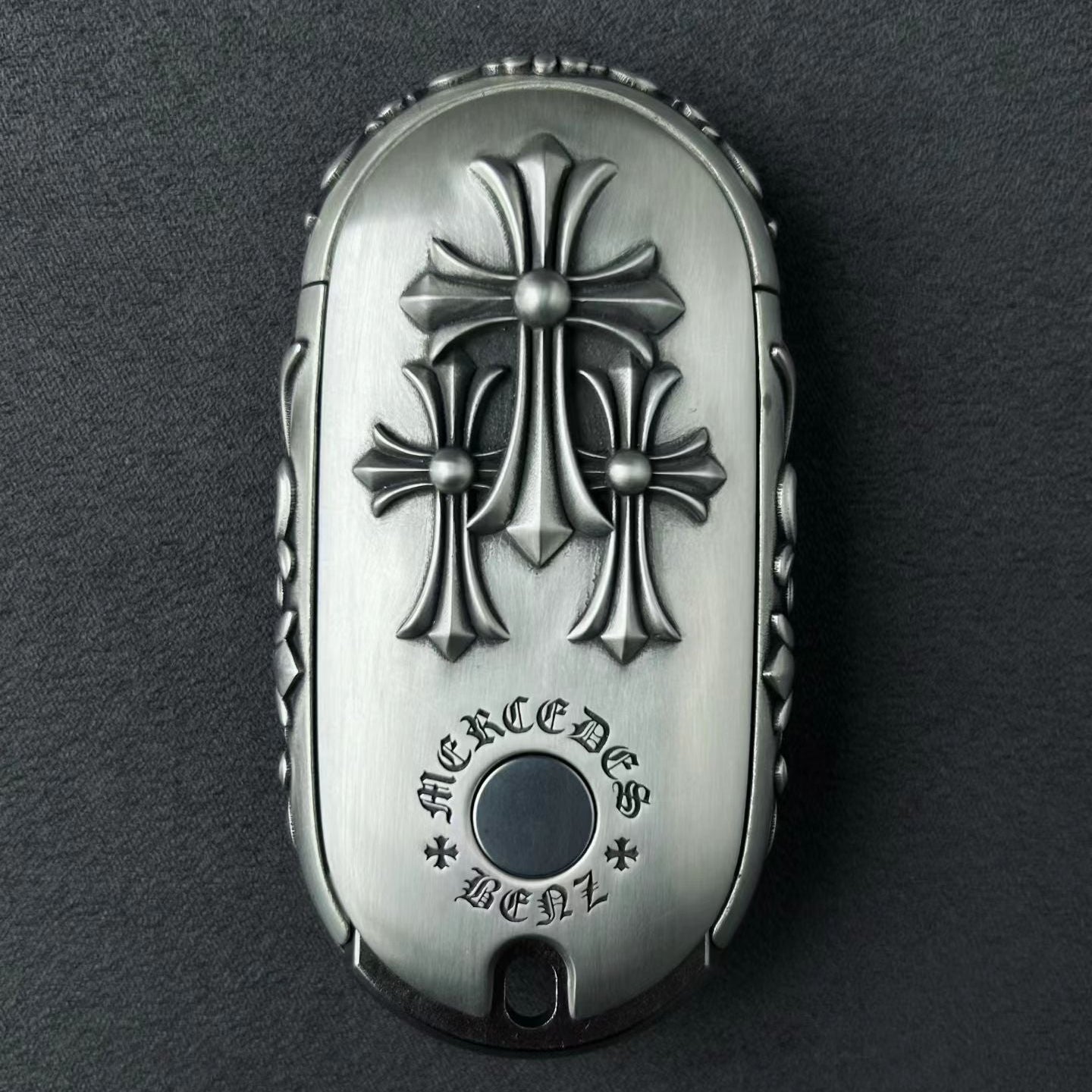
Small Marks Can Add Character
A silver key case used every day will not stay visually untouched. The better question is whether the marks look like part of the object’s life or like damage.
Good silver develops presence over time instead of losing its authority.

The Rhythm Becomes Clear
By the end of the first few months, the owner knows whether the case belongs in the pocket, in the hand, and in the broader routine of the day. That rhythm is more important than novelty.
If the object still feels welcome after the novelty fades, it is doing real work.

What Changes And What Does Not
- The surface becomes more familiar to the hand.
- The finish may pick up subtle handling marks.
- The case either becomes more personal or starts feeling like clutter.
- The owner learns whether the weight is comfortable every day.
- The object’s character becomes clearer, not weaker.
That is why the first 90 days are so revealing. They show the relationship, not just the purchase.
Related Aging Reads
FAQ
Is early wear a bad sign?
Not automatically. The key question is whether the surface still looks intentional as it begins to reflect real use.
Do all silver cases patina quickly?
No. The pace depends on use, handling, and the finish, but every daily object changes over time.
Should I expect a silver key case to look new forever?
No. A better expectation is that it becomes more personal while keeping its structure and dignity.
