
The visible part of a handcrafted key case is only the end result. The higher price usually reflects the steps that happen before the object reaches the owner: selection, shaping, finishing, refinement, and repeated correction.
This article looks at what those costs actually support, so buyers can judge value more clearly.
Short answer: A higher price usually buys time, attention, fitting, finishing, and a more disciplined result. The point is not that every expensive object is better, but that handmade work often carries more refinement into the parts buyers do not see immediately.
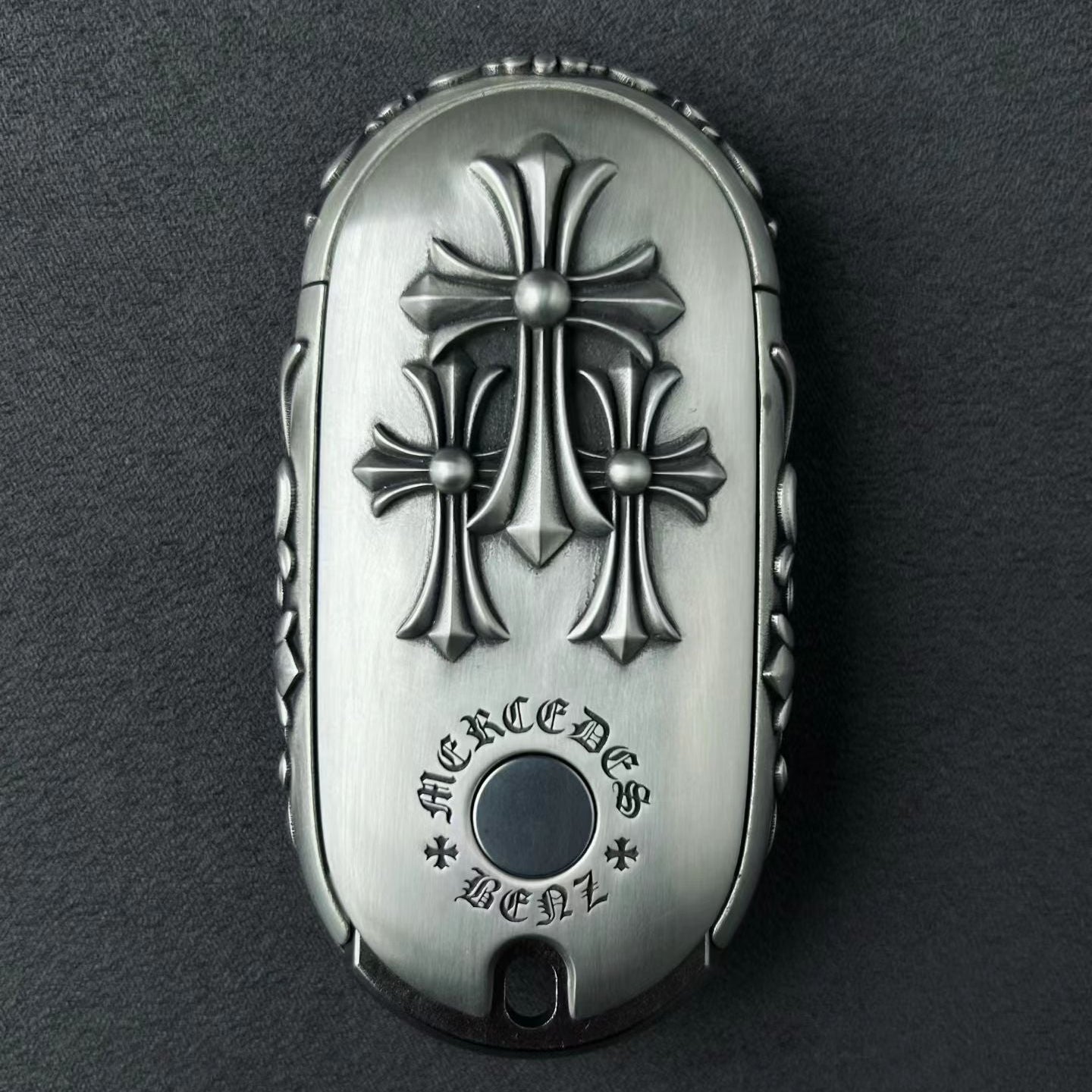
Time Is Built Into The Price
Handcrafted work takes more time because it asks for more attention at each step. That time shows up in the fit, the finish, and the final calmness of the object.
When a case feels unusually composed, part of what the buyer is paying for is that extra care.

Precision Costs More Than A Fast Build
A quick build can produce something functional, but it usually leaves less room for the tiny adjustments that make the shell feel natural. Handcrafted work lets the maker refine tolerances, edges, and the overall behavior of the case.
That is where the price difference starts to make sense.

Finish Is Only Part Of The Story
Buyers often notice the finish first, but the real value also includes how the shell fits, how the buttons feel, how the weight is distributed, and how the object ages after repeated use.
Handcrafted work should improve the whole object, not just the surface.

Where The Premium Really Goes
- More time spent shaping and refining.
- Better control over edges and tolerances.
- A more careful finish.
- More attention to fit and balance.
- A result that feels more intentional in daily use.
That is what buyers are usually paying for when the price rises.
Related Craft Reads
FAQ
Does a higher price always mean better quality?
No, but it often means more time, care, and precision were built into the result.
What do handmade buyers usually pay for?
More control over fit, finish, and the final feeling of refinement.
Is the surface the most important part?
No. The whole object matters: fit, weight, finish, and long-term use.
