
Serious buyers need a checklist because the category is easy to misread. A key case may look luxurious online and still be disappointing in the hand. The safest way to buy is to ask the object to prove itself on the things that matter every day.
This guide turns that into a simple decision tool.
Short answer: A premium key case should pass a practical checklist: fit, material honesty, finish quality, carry comfort, and enough refinement to stay desirable after the novelty fades. If it misses those points, it is probably only premium-looking.

First Check: Fit
If the case does not fit the key cleanly, the rest is secondary. Button access, shell closure, and shape alignment are the first filter for any serious buyer.
A premium shell should feel resolved from the start.
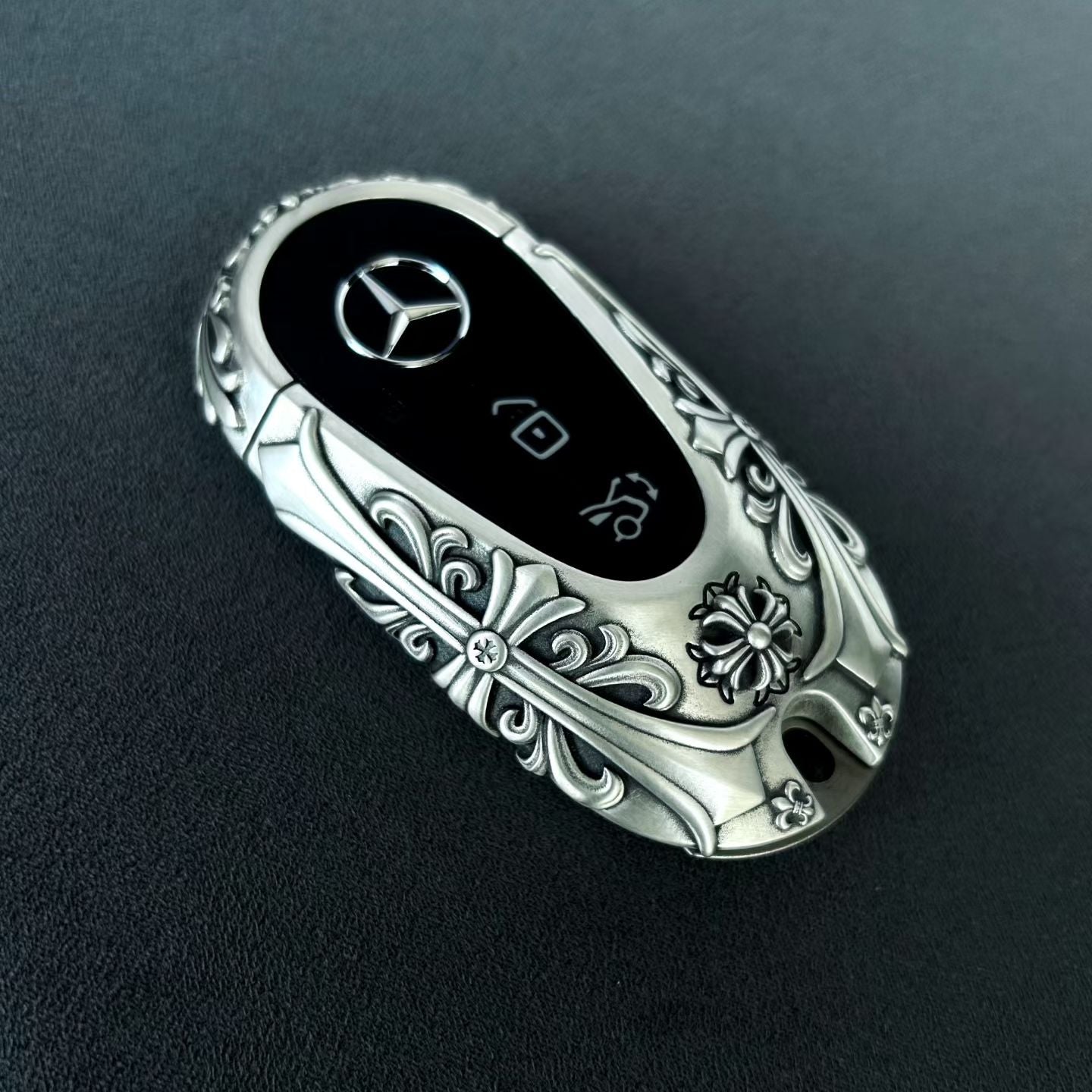
Second Check: Material And Weight
A premium object should feel like it belongs to its material. The weight should be deliberate, the surface should read honestly, and the hand-feel should support the sense of quality.
That is where material comparison becomes useful rather than theoretical.

Third Check: Finish And Aging
The finish should look good on day one and stay readable after real use. Buyers should ask whether the case will still feel composed after handling, polishing, and ordinary wear.
That is where a premium object proves its value over time.
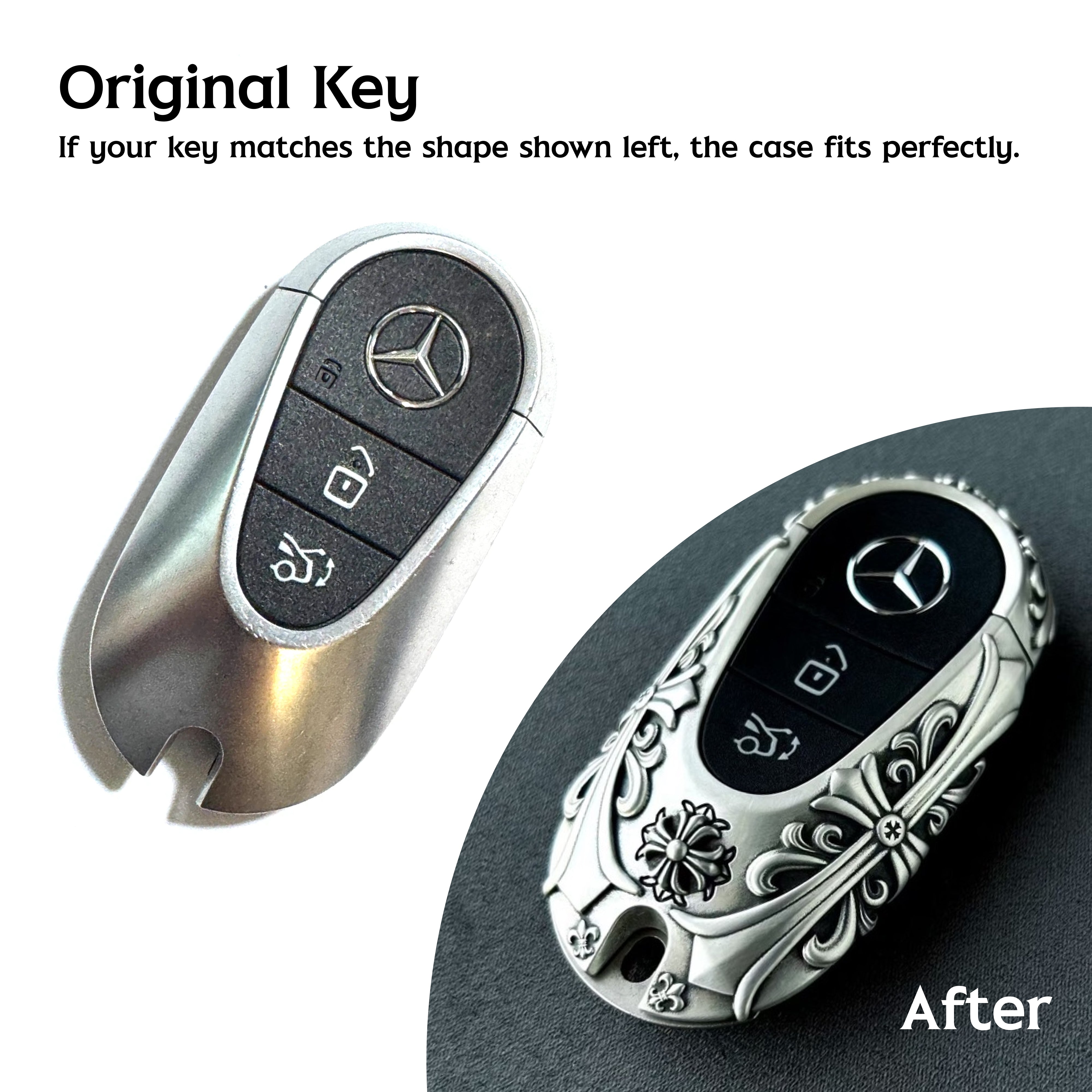
Final Checklist
- The key fits cleanly.
- The material feels honest.
- The weight feels balanced.
- The finish stays refined after handling.
- The case still feels worth carrying after the novelty passes.
If the answer is yes across the board, the case has real premium value.
Related Buying Tools
FAQ
What is the most important buying check?
Fit usually comes first, because every other quality depends on the case working with the actual key.
How do I know if a case is truly premium?
Look for material honesty, balanced weight, refined finish, and a result that still feels worthwhile after use.
Is this checklist only for luxury buyers?
No. It is useful for anyone who wants to compare a key case on quality rather than marketing.
